

Credit Risk 101: Definitions and Mitigation Strategies
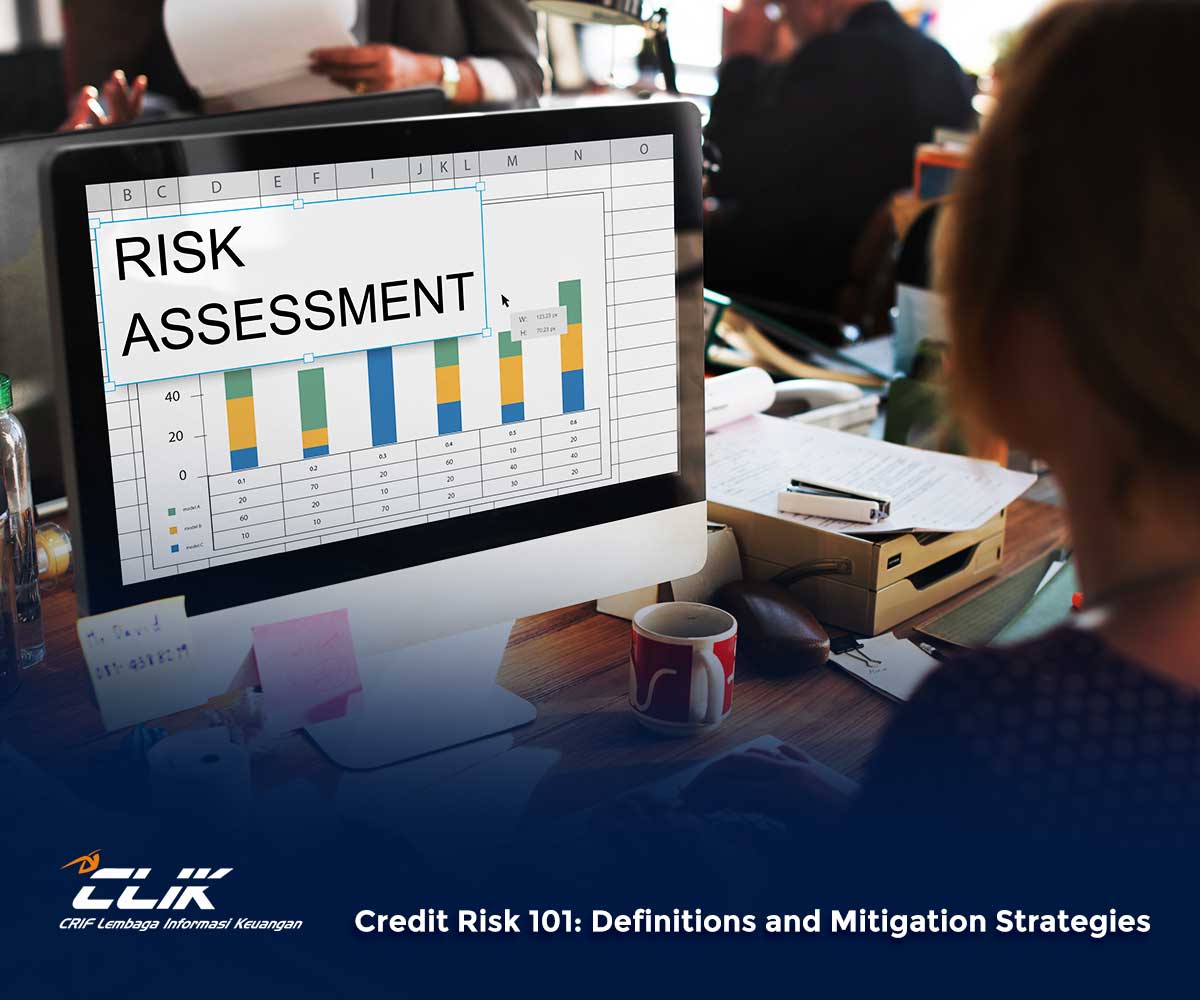
Credit risk is an important aspect of finance that many people often overlook. In fact, understanding credit risk can help you manage loans, installments, and your overall financial condition more effectively. With the right knowledge, you can reduce the chances of loss caused by missed payments or a decline in your credit quality.
Understanding Credit Risk in Finance
Credit risk is the risk that arises when a borrower is unable or unwilling to repay their debt according to the agreed terms. This risk can affect individuals, businesses, and financial institutions such as banks and financing companies.
In practice, credit risk appears when there are delays in paying credit card bills, vehicle loans, home loans, or business loans. The higher a person’s credit risk, the lower their chances of getting approved for future loans, as they are seen as having a weaker risk profile.
Credit risk also affects your credit score, which is one of the main factors financial institutions use to assess a borrower’s eligibility.
Read More: A Guide to Building Creditworthiness among MSMEs
How to Avoid Credit Risk Early On
Avoiding credit risk starts with disciplined and well-planned financial management. Here are several effective steps you can take from the beginning:
- First, create a clear financial plan by recording all income and expenses. This helps you measure your ability to pay installments without sacrificing essential needs.
- Second, avoid taking loans beyond your financial capacity. Ideally, total monthly debt installments should not exceed 30–35% of your monthly income to keep your finances stable.
- Third, always pay installments on time. Even small delays can affect your credit score and increase your credit risk in the eyes of financial institutions.
- Fourth, use credit products wisely, including credit cards and online loans. Avoid the habit of borrowing to cover other debts, as this can increase the risk of default.
- Finally, check your credit history regularly to make sure there are no data errors that could harm you in the future.
Read More: 600 Credit Score: Is It Good or Bad?
Check Your Credit History to Maintain Financial Health
Understanding credit risk and how to avoid it is an important step toward maintaining financial stability and building a good financial reputation. With proper management, you can continue to use credit facilities without worrying about falling into debt problems in the future.
![[:id]8 Cara Mendapatkan Modal Usaha yang Minim Risiko[:en]How to Secure Funding for Your Business: 8 Low-Risk Strategies[:]](https://cbclik.com/wp-content/uploads/2026/01/Cara-Mendapatkan-Modal-Usaha-150x150.jpg?crop=1)
![[:id]CLIK dan ASLINDO LKM–LKMS Jalin Kerja Sama Strategis untuk Memperkuat Inklusi Keuangan dan Ekosistem Keuangan Mikro[:en]CLIK and ASLINDO LKM–LKMS Enter into Strategic Partnership to Strengthen Financial Inclusion and the Microfinance Ecosystem[:]](https://cbclik.com/wp-content/uploads/2026/02/Website-pics-1-150x150.jpg?crop=1)